
Memorial Sign to the Victims of Famine and Political Repression
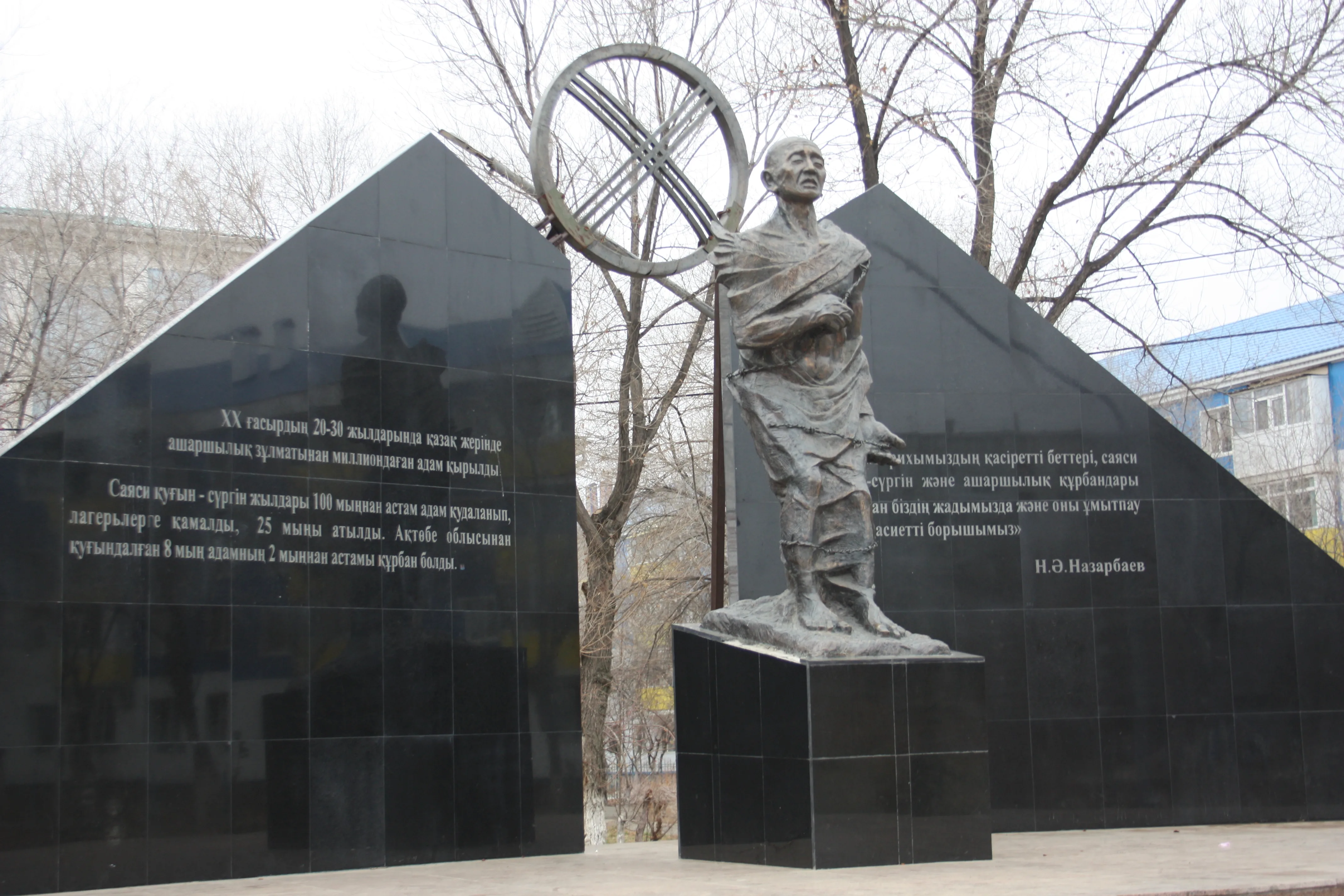
Description
Historical background: The memorial sign to the victims of famine and political repression was erected in memory of those who suffered during the tragic events of the first half of the twentieth century.
The famine of the 1930s, forced collectivisation, confiscation campaigns and later Stalinist political repression caused enormous demographic, social and spiritual damage to Kazakh society. Thousands of families were forced to leave their native land, while many people were falsely accused, sent to labour camps or executed.
During the years of political repression, Kazakh intellectuals, state and public figures, religious leaders and ordinary citizens suffered unjustly. The Aktobe region was also deeply affected by these events: thousands of local residents were persecuted, and many were executed or sent to camps.
Opening of the monument: The memorial sign to the victims of famine and political repression was solemnly opened on 31 May 2018 in Aktobe.
In Kazakhstan, 31 May is observed as the Day of Remembrance for the Victims of Political Repression and Famine. The opening of the monument on this date emphasises its historical and spiritual significance.
The ceremony was attended by Gulshara Abdykalikova, then State Secretary of the Republic of Kazakhstan, Berdibek Saparbayev, then Akim of Aktobe Region, deputies of the Mazhilis of Parliament, representatives of state institutions, the Assembly of the People of Kazakhstan, ethno-cultural and religious public associations, veterans, city residents and descendants of victims of political repression.
During the ceremony, tribute was paid to the memory of innocent victims, and the importance of preserving historical justice and passing memory on to future generations was emphasised.
Description of the monument: The composition represents the figure of a person who became a victim of a totalitarian regime. The sculpture shows a tragic human figure with head and chest lowered, symbolising a life marked by suffering. Yet the inner spirit of the figure remains unbroken: the person is shown as strong and determined, trying to break free from iron captivity.
The bare feet appear to sink into the ground. This artistic detail symbolises the inseparable connection between a person, native land and the fate of the people. The cloth resembling tongues of flame conveys suffering and pain, while also suggesting an unextinguished spirit of resistance and survival.
A shanyrak is placed above the granite wall. The shanyrak symbolises unity, family, statehood and spiritual integrity. The bronze sculpture is 2.40 metres high, and the pedestal is 1.10 metres high. The overall length of the composition is about 12 metres.
Sculptor: Akhmet Kubai.
Cultural and historical significance: This monument is an important memorial site that preserves the memory of the victims of famine and political repression and helps form a culture of remembrance and respect for historical justice.
Its artistic concept expresses the tragedy of human fate, the endurance of the people and the strength of the human spirit. It is not only a place of mourning, but also a symbolic space that calls society to humanity, justice, tolerance and historical responsibility.In the cultural space of Aktobe, the monument helps preserve historical memory, reminds visitors of the tragic lessons of the past and teaches younger generations the value of peace.
Why is this monument important?
This monument recalls one of the most tragic chapters in the twentieth-century history of the Kazakh people. Famine and political repression affected not only individual lives, but the fate of the entire nation.
The memorial is dedicated to preserving the memory of innocent victims, restoring historical justice and passing the painful lessons of the past to future generations.
A visitor standing here understands that history lives not only in books, but also in the urban landscape. History may be silent, but monuments like this can speak.
What should visitors notice?
First, notice the image of a person bent under the weight of suffering, yet spiritually unbroken. This artistic image expresses not only pain, but also the inner resilience of the people.
The figure trying to break free from iron bonds symbolises resistance to injustice. The bare feet sinking into the ground remind us of the people’s deep connection with their native land.
The shanyrak above the granite wall symbolises unity, family and national integrity. This detail allows the monument to be seen not only as a symbol of grief, but also as a sign of hope and spiritual wholeness.
Did you know?
31 May is observed in Kazakhstan as the Day of Remembrance for the Victims of Political Repression and Famine.
The monument was opened in 2018 on this very day of remembrance.The project of the monument was selected through a special competition.
Read more:- Adilet. State list of monuments of history and culture of local significance in Aktobe Region.
- Kazinform. A monument to the victims of famine and political repression opened in Aktobe.
- Aqtobe Newspaper. Askar Zhubanov: “We never heard our fellow countrymen call us ‘descendants of an enemy of the people’.”
- Qazaqstan National TV Channel. A monument to the victims of political repression and famine opened in Aktobe.
- Gov.kz. 31 May — Day of Remembrance for the Victims of Political Repression and Famine.
Photo gallery
Location on the map
Related sites
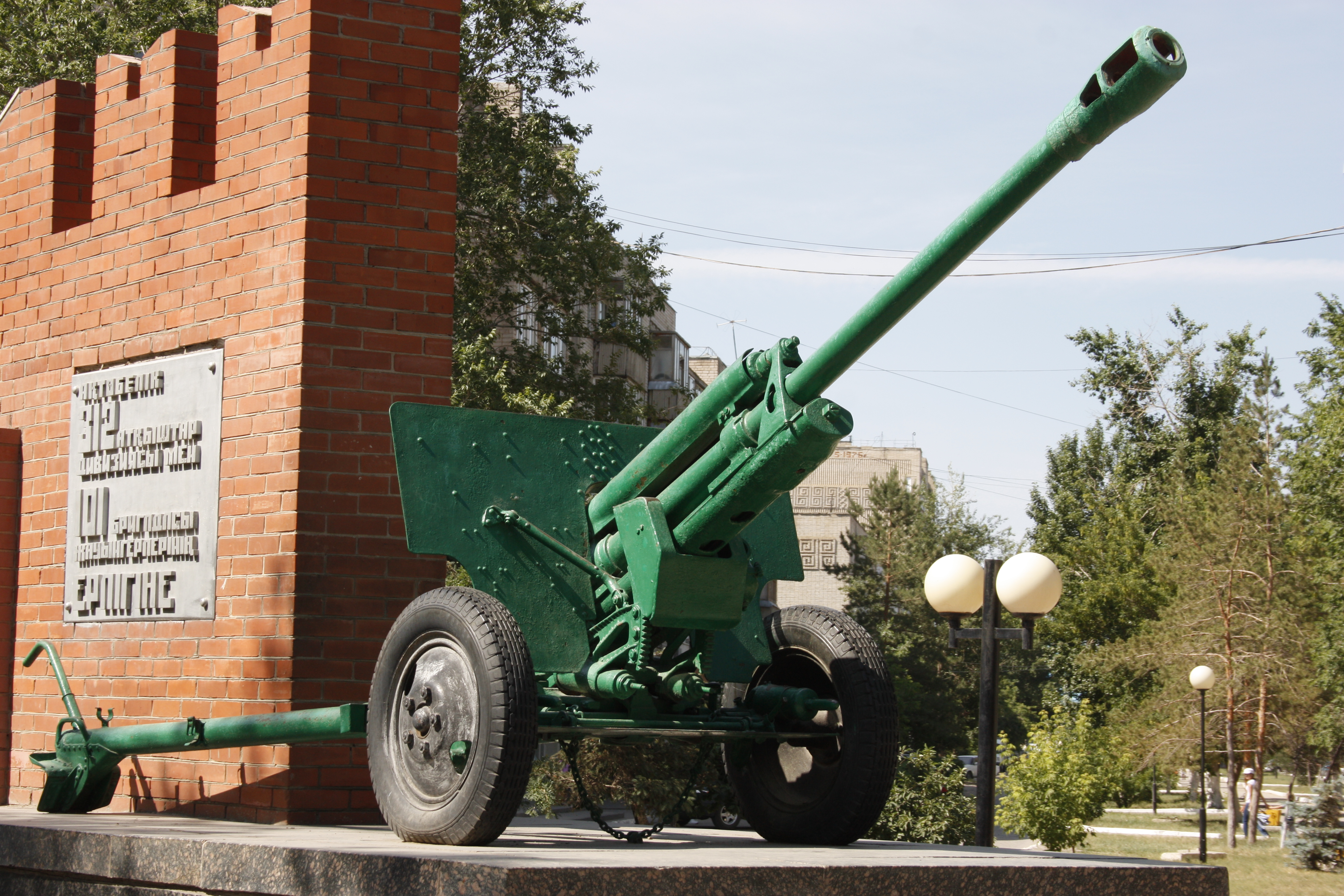 Local significance
The “Cannon” Memorial Sign Dedicated to the 312th Rifle Division and the 101st Rifle Brigade
Aktobe, Zh. Kereyev Street
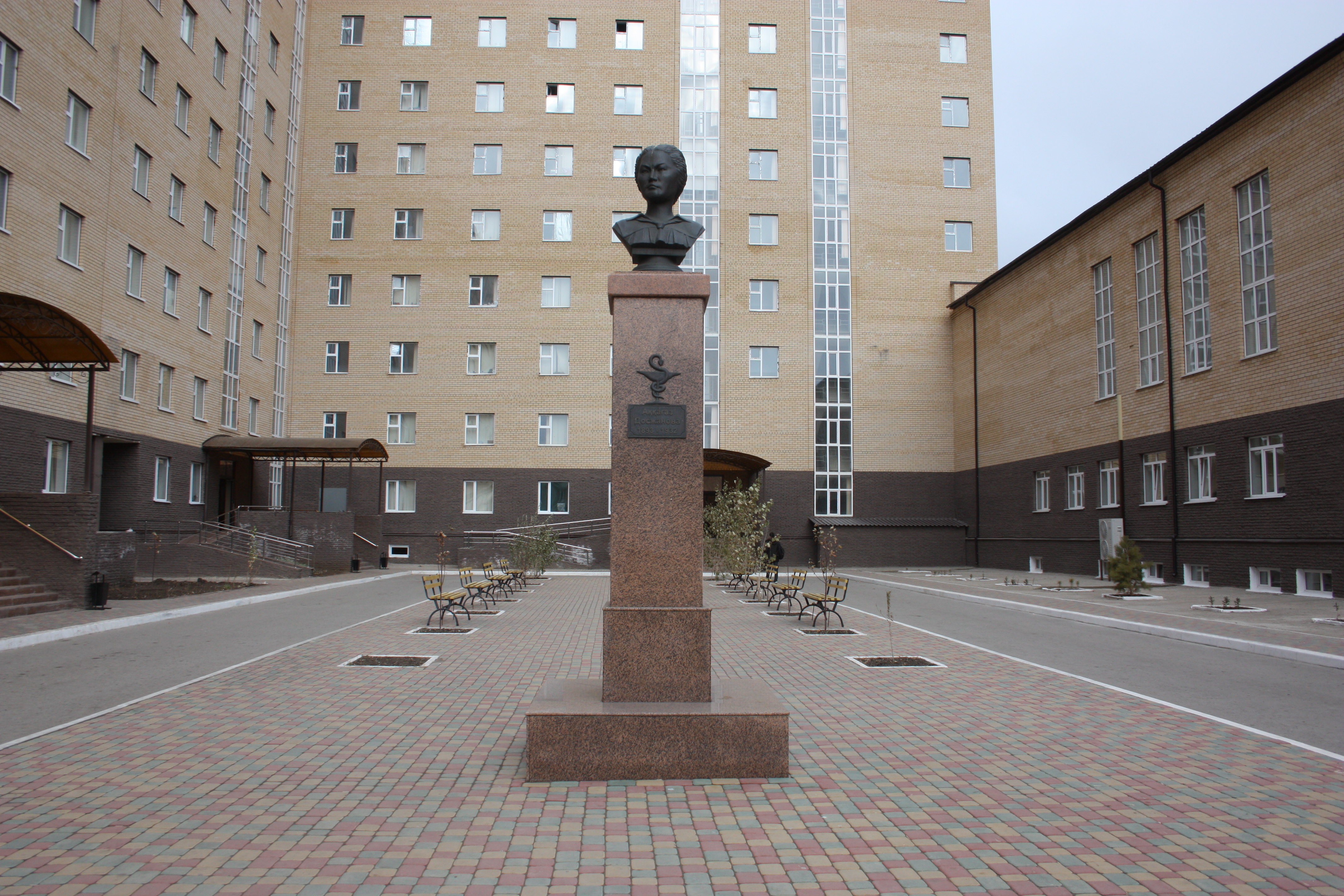 Local significance
Monument to Aqqagaz Doszhanova
Aktobe, 68a A. Doszhanova Street
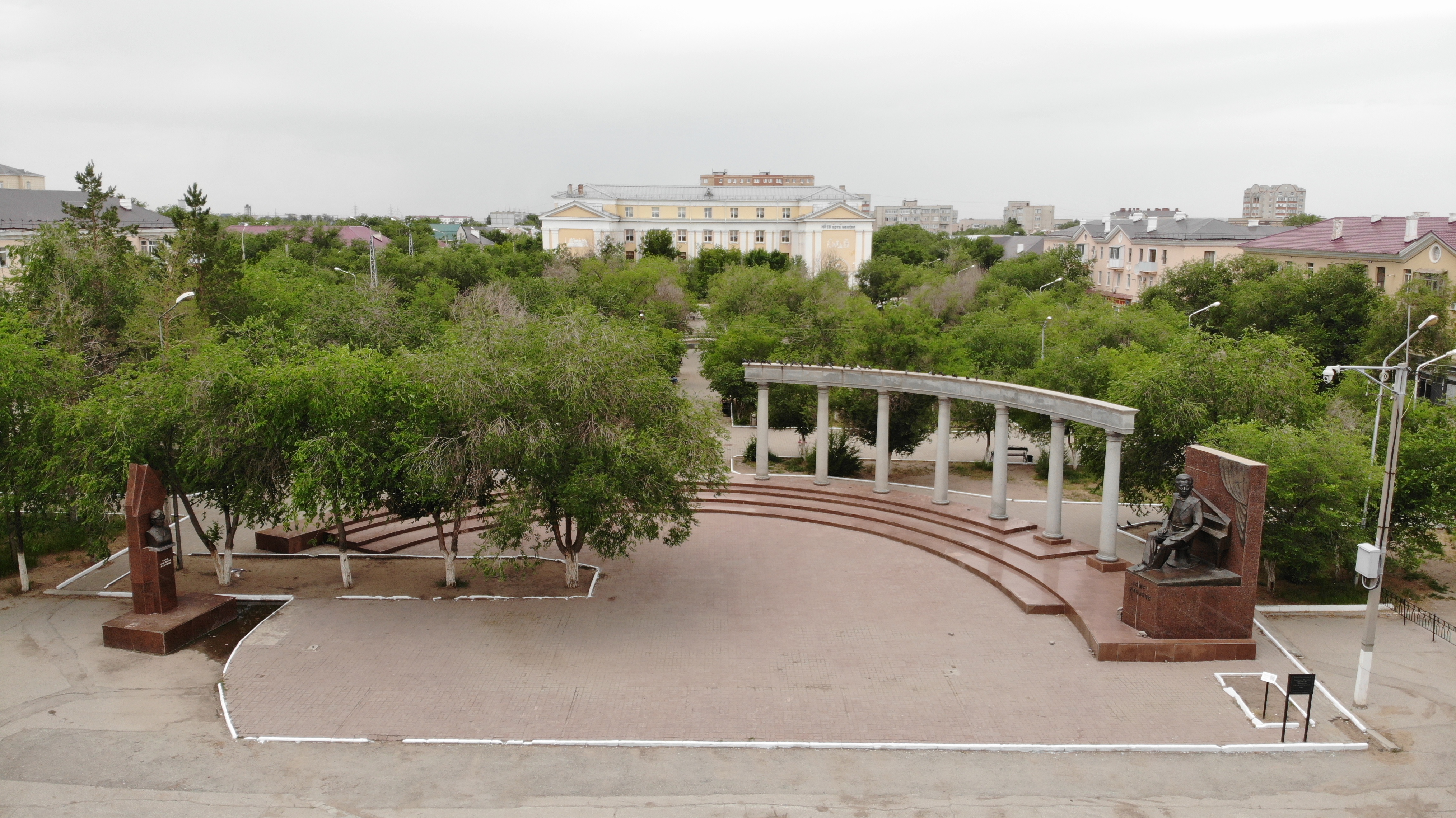 Local significance
Memorial Complex of the Monument to Composer A. Zhubanov and the Sculpture of G. Zhubanova
Aktobe, 31 Zhenis Avenue