
Monument-Sculpture to Alibi Zhangeldin

Description
Historical background: Alibi Tokzhanovich Zhangeldin was a state and public figure associated with the Soviet period in the history of Kazakhstan. He was born in 1884 and became one of the active participants in the political and social processes of the first half of the 20th century.
In Soviet historical tradition, Zhangeldin was known as one of the figures involved in the establishment and consolidation of Soviet power in Kazakhstan. His name was later commemorated in street names and public sites in different regions of the country.
Description of the monument: The sculpture is cast in iron. Alibi Zhangeldin is depicted without a head covering, wearing an overcoat, with the collar of a military tunic visible underneath.
The sculpture is 1.20 metres high. It stands on a rectangular pedestal faced with grey granite slabs. The pedestal is 2.75 metres high and 0.89 metres wide. The inscription on the pedestal reads: “Ә. Жанкелдин”.
Opening of the monument: The monument was installed in Aktobe in 1972. The exact date of the opening ceremony is not specified in open sources.
The object was created within the Soviet tradition of commemorating historical and political figures in urban public spaces.
Why is this monument important?
This monument forms part of Aktobe’s memorial landscape and reflects the historical memory of the Soviet period. It shows how political figures of the 20th century were represented and commemorated in the urban environment.
The monument recalls not only the personality of Alibi Zhangeldin, but also a complex period of political change in Kazakhstan’s history. For this reason, it is valuable as an object of the city’s cultural memory.
What to notice when looking at the monument?
First, pay attention to the material: the cast-iron sculpture gives the figure a sense of severity, stability and monumentality.
The overcoat and military tunic are important visual details that connect Zhangeldin’s image with the revolutionary era and political activity. The restrained form of the pedestal is also typical of Soviet monumental art.
Did you know?
Alibi Zhangeldin’s name appears in different forms in historical sources: Zhangeldin, Zhankeldin, Zhangeldin in Kazakh transcription, and Zhangeldin or Dzhangildin in Russian and Soviet documents.
The pedestal of the Aktobe monument preserves the inscription “Ә. Жанкелдин”, while modern official lists refer to the object as “Ә. Жангелдин ескерткіш-мүсіні”.
Read morePhoto gallery
Location on the map
Related sites
 Local significance
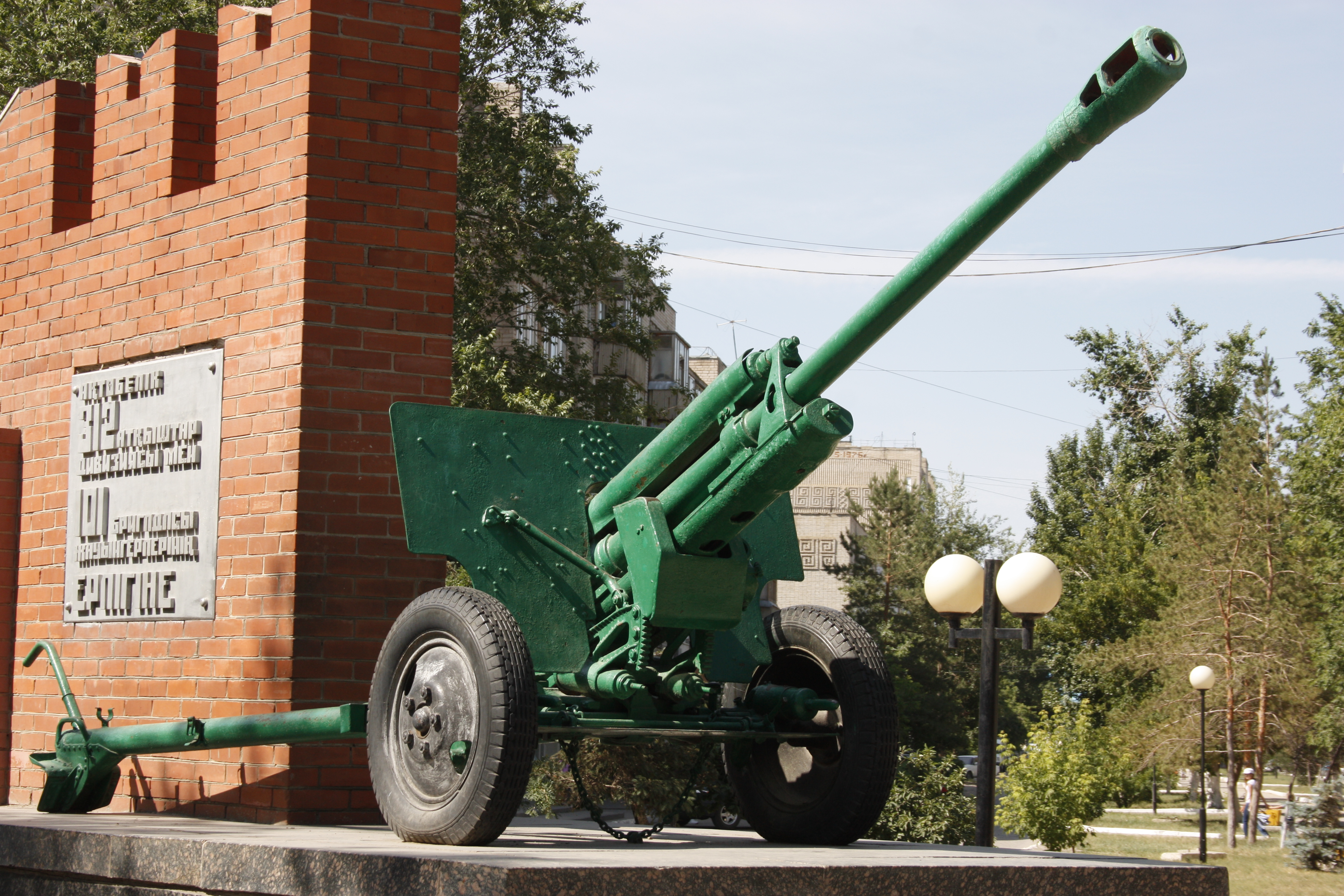
The “Cannon” Memorial Sign Dedicated to the 312th Rifle Division and the 101st Rifle Brigade
Aktobe, Zh. Kereyev Street
 Local significance
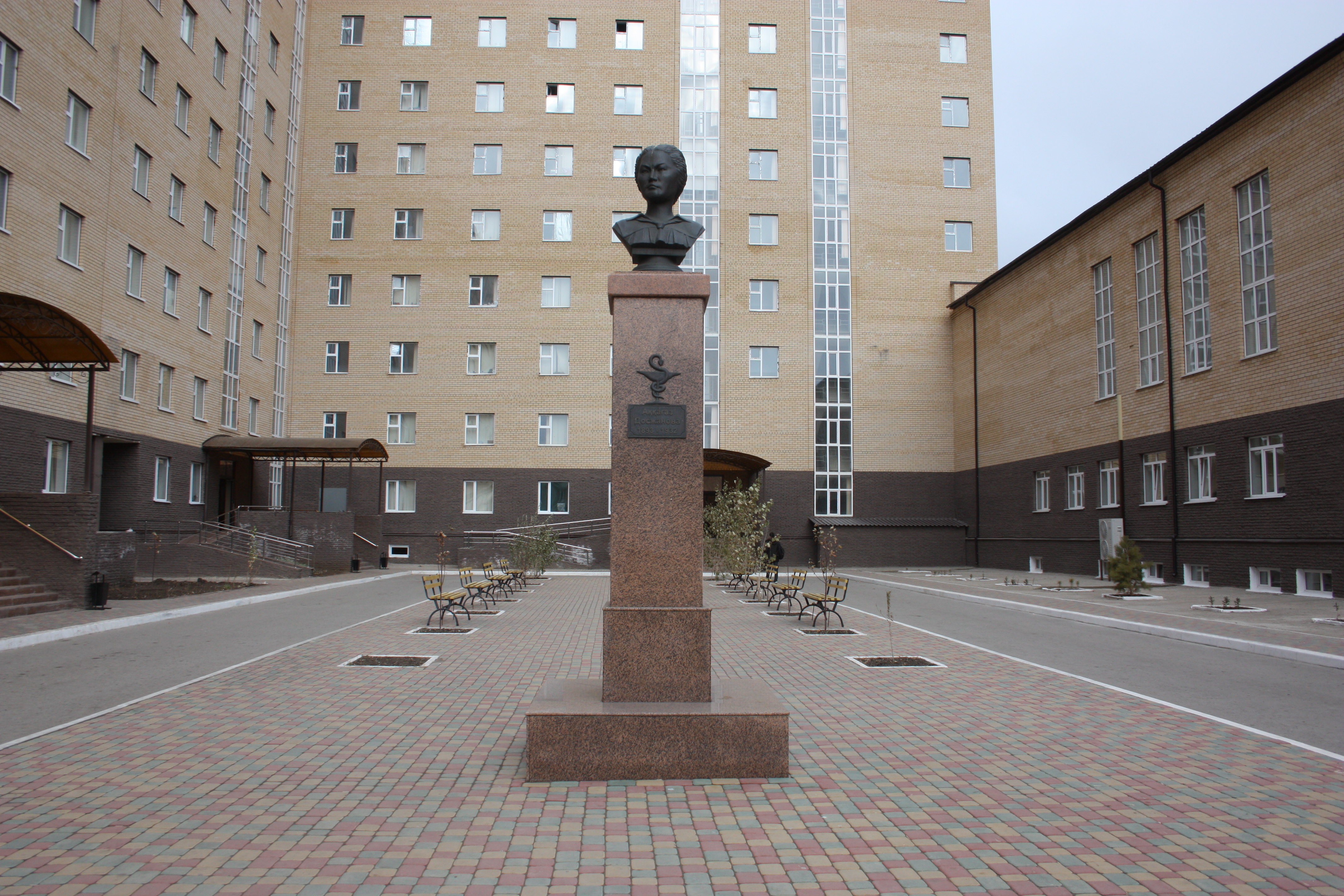
Monument to Aqqagaz Doszhanova
Aktobe, 68a A. Doszhanova Street
 Local significance
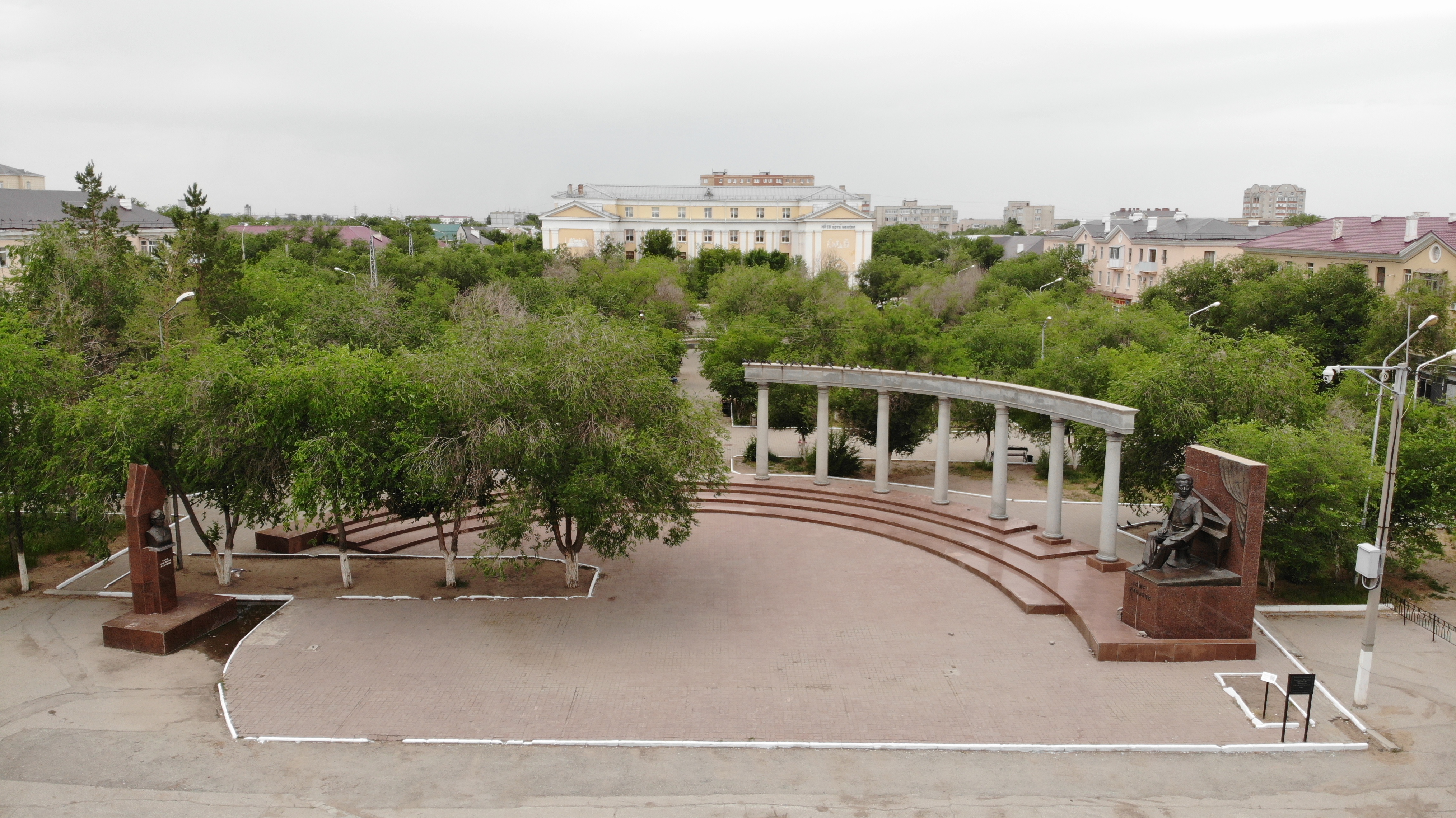
Memorial Complex of the Monument to Composer A. Zhubanov and the Sculpture of G. Zhubanova
Aktobe, 31 Zhenis Avenue